


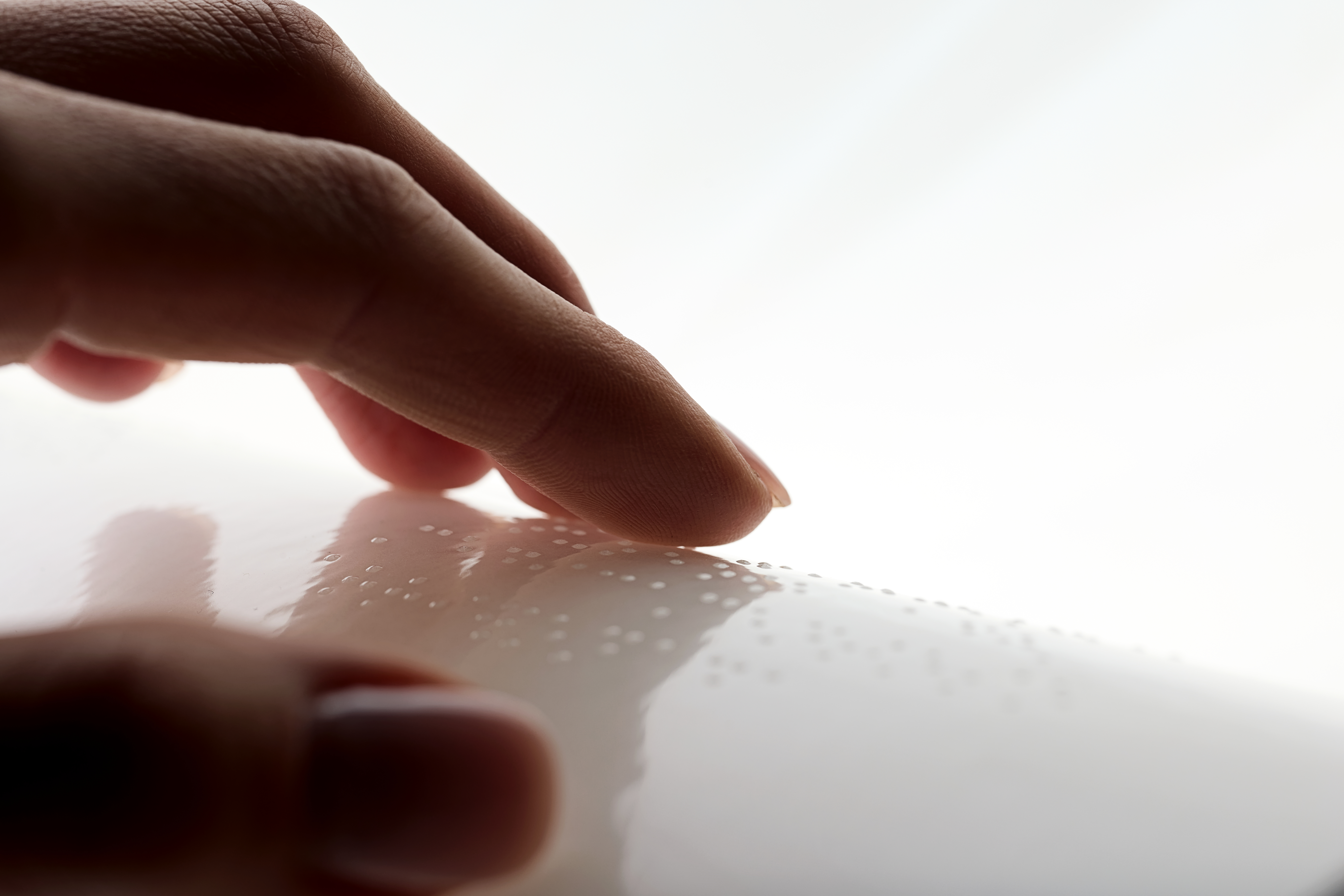
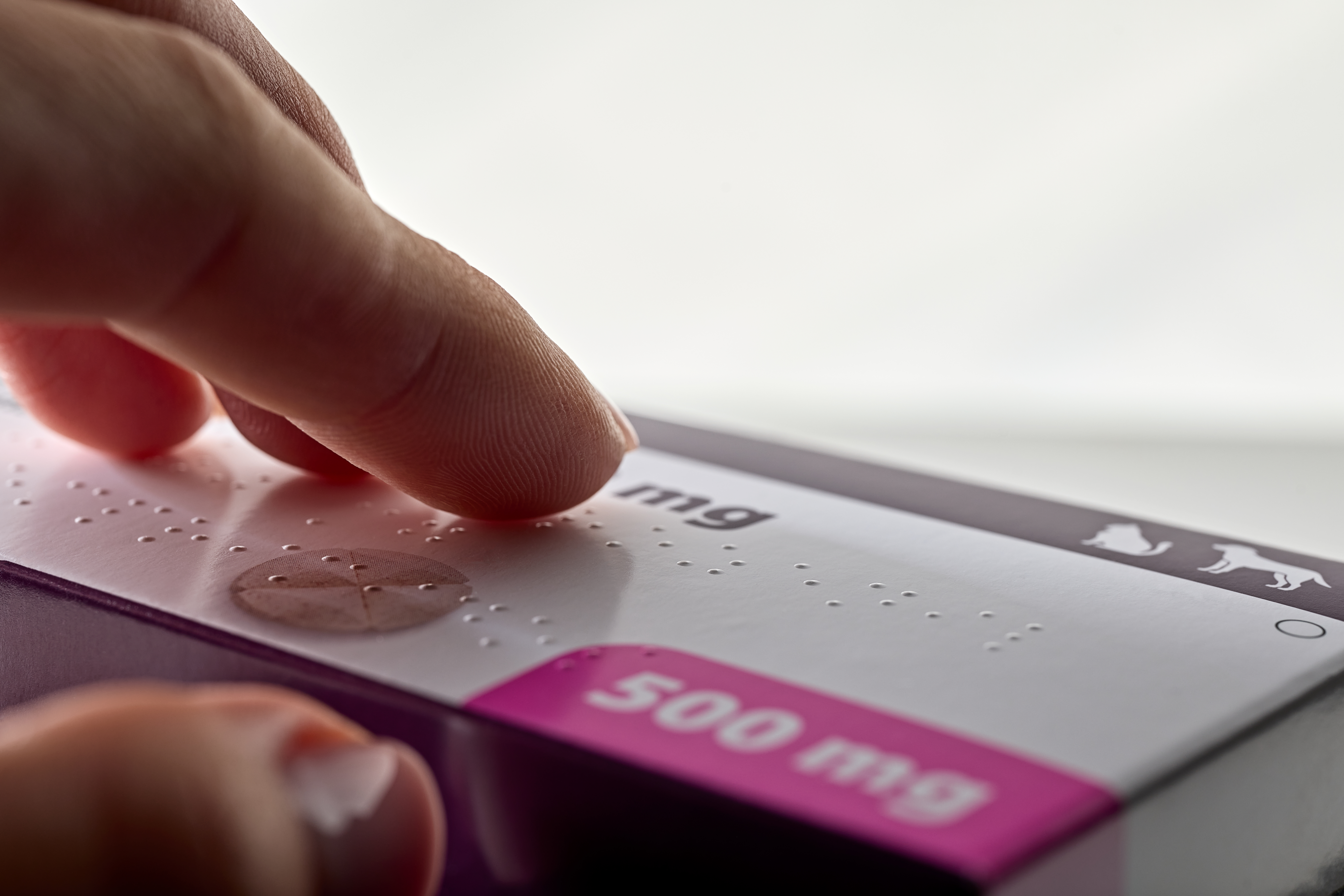
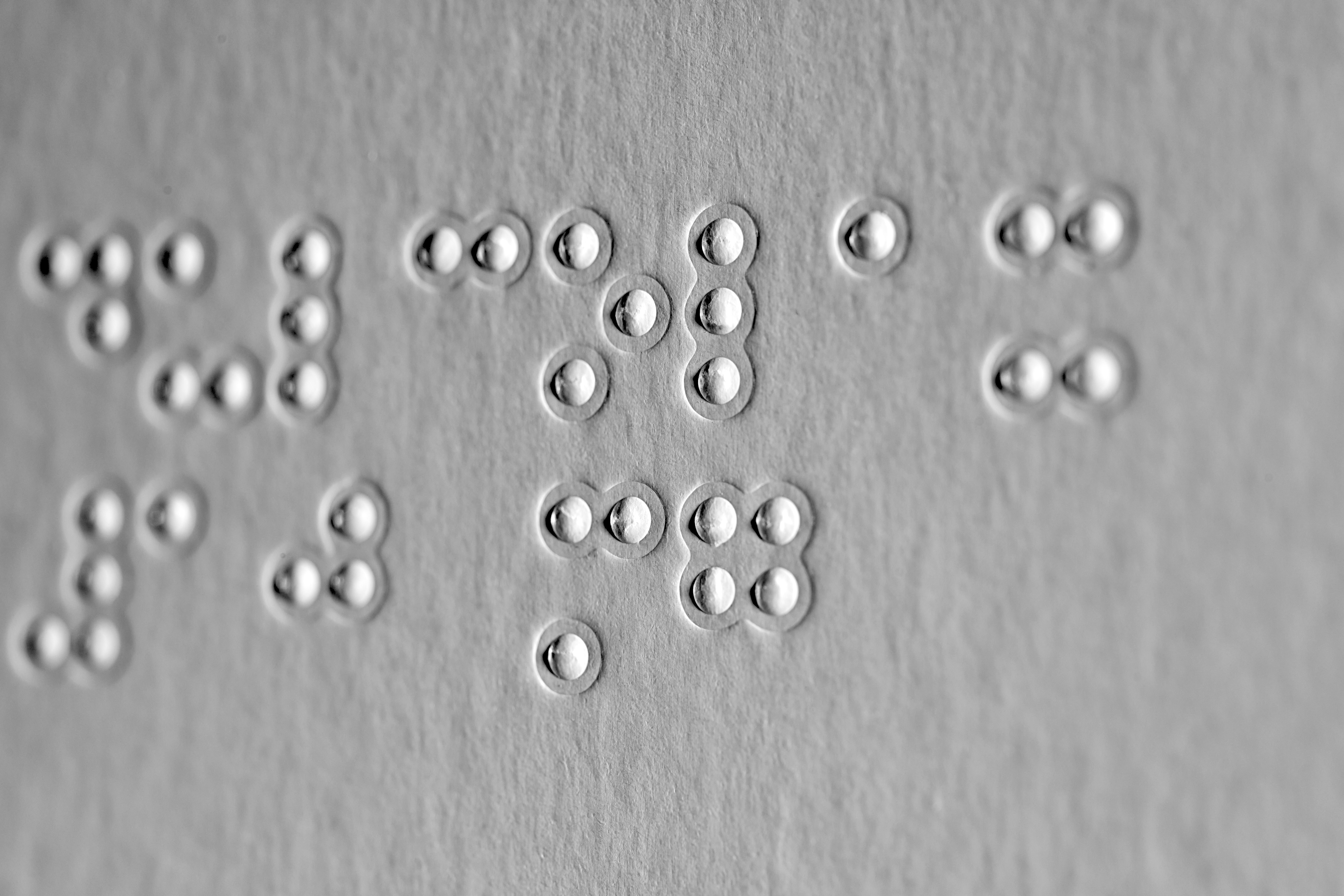
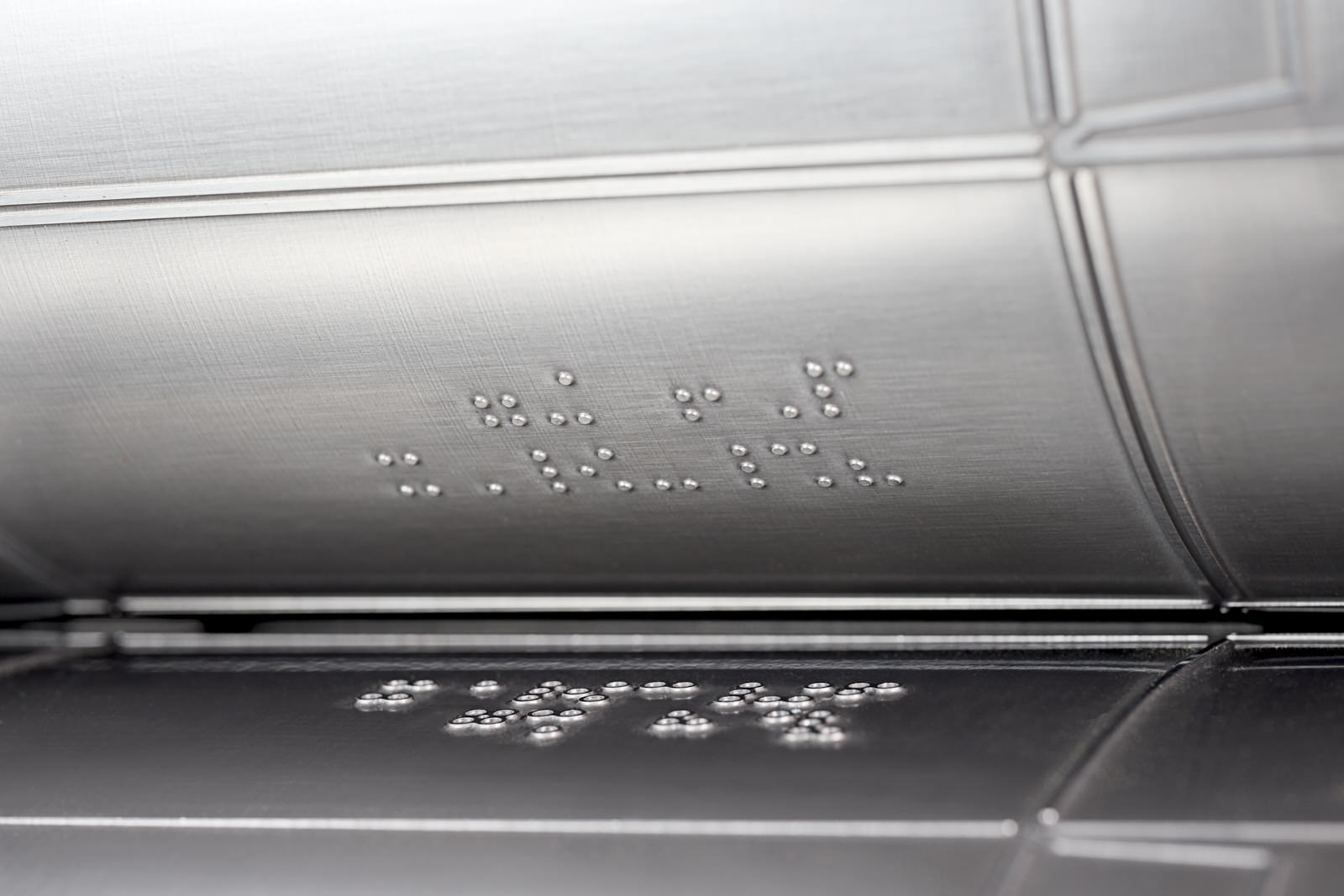
Accessible packaging is becoming increasingly important – from both a social and a regulatory perspective. Tactile labelling, such as Braille, makes it easier for people with visual impairments to use products safely, whilst also providing greater guidance in everyday life. Clearly visible labelling plays a particularly important role for products containing sensitive information: At the same time, legal requirements in Europe are constantly evolving. In Spain, new labelling requirements for packaging in the B2C sector have been in force since January 2025. Packaging there must contain clearly legible and visible recycling and disposal instructions. Furthermore, further regulations on accessible labelling are currently being discussed in Spain, particularly for products with increased safety and information requirements, such as foods containing allergens or products containing hazardous substances. Two methods for tactile Braille labelling Depending on the application, different methods are used to apply Braille to packaging and labels. The key factors here are the material, the production process and the desired tactile feel. Braille on labels with TecScreen In the TecScreen process, the Braille is applied directly to the label using screen printing. The targeted application of special varnish or ink layers creates precisely defined dots with a permanently tactile height. The process is particularly suitable for: One advantage of the screen printing process is its high precision and repeatability. The Braille dots remain stable even under mechanical stress and can be easily integrated into existing print designs. At the same time, functional requirements can be combined with high-quality packaging design. Directly embossed Braille on packaging In addition to printed solutions, Braille can also be integrated directly into packaging. This is achieved using specially manufactured embossing and die-cutting plates, which permanently emboss the Braille dots into the material. This process is primarily used for: During the manufacturing process, the Braille pattern is already integrated into the die. During the die-cutting and embossing process, raised dots are created directly in the cardboard material. This means that no additional layer of ink is required and the marking remains a permanent feature of the packaging. Requirements for Braille labelling To ensure that Braille remains reliably tactile, certain technical specifications must be adhered to. These include, amongst other things: defined dot spacing, uniform dot heights, sufficient contrast and clear positioning. The thickness of the material, coatings and the packaging’s deformation properties also play an important role in the implementation. Accessible packaging is now far more than just an additional technical requirement. It improves user-friendliness, supports legally compliant labelling and contributes to more inclusive brand communication. Screen printing solutions for labels and embossed Braille on packaging allow a wide range of requirements to be met flexibly – from small product runs to industrial packaging processes. Braille on packaging and labels
Braille on packaging and labels: accessible labelling

Braille on packaging and labels
You may also like
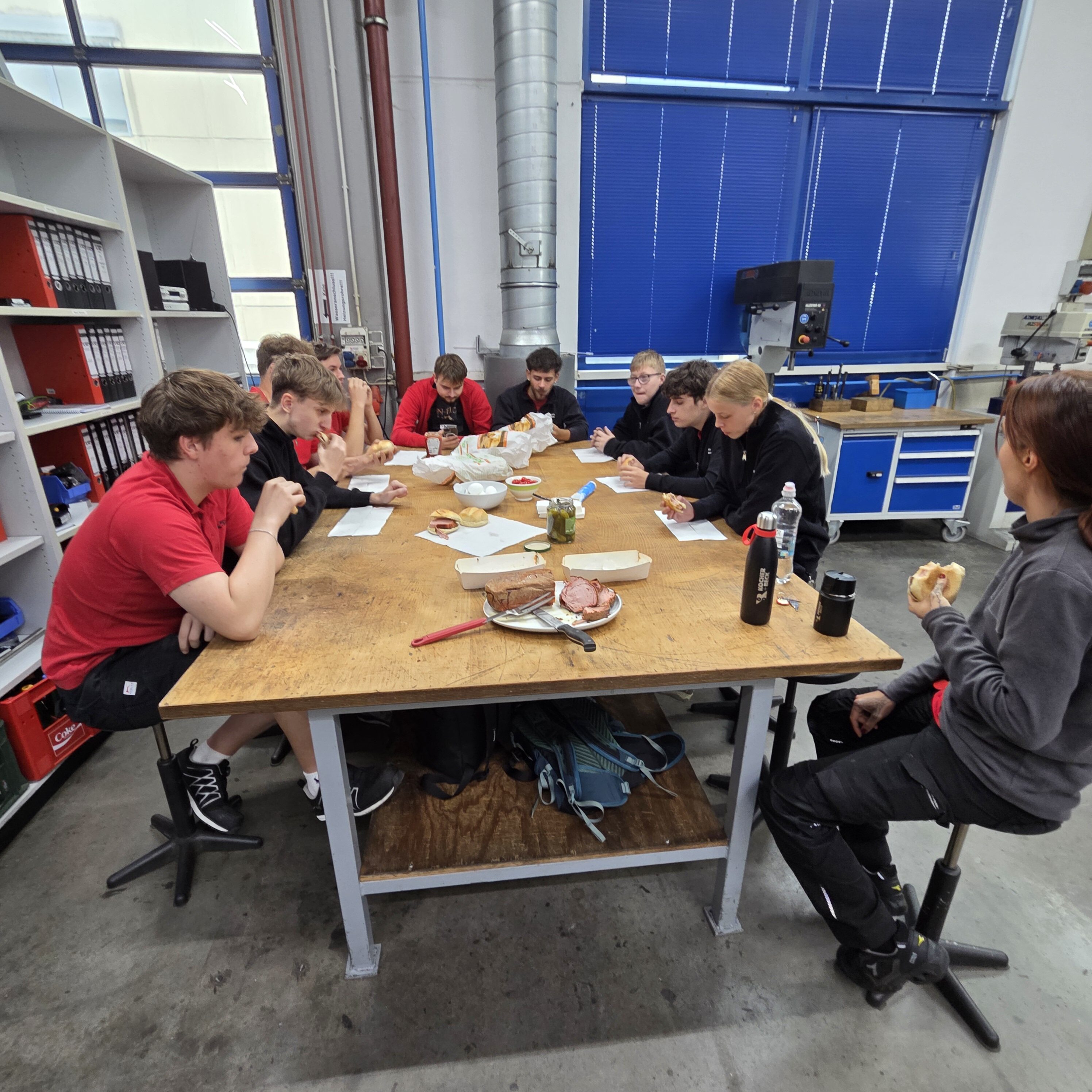
Successful Completion of Apprenticeships, New Apprentices and a Newly Elected Apprentices’ Council
Let us start with flexible dies.
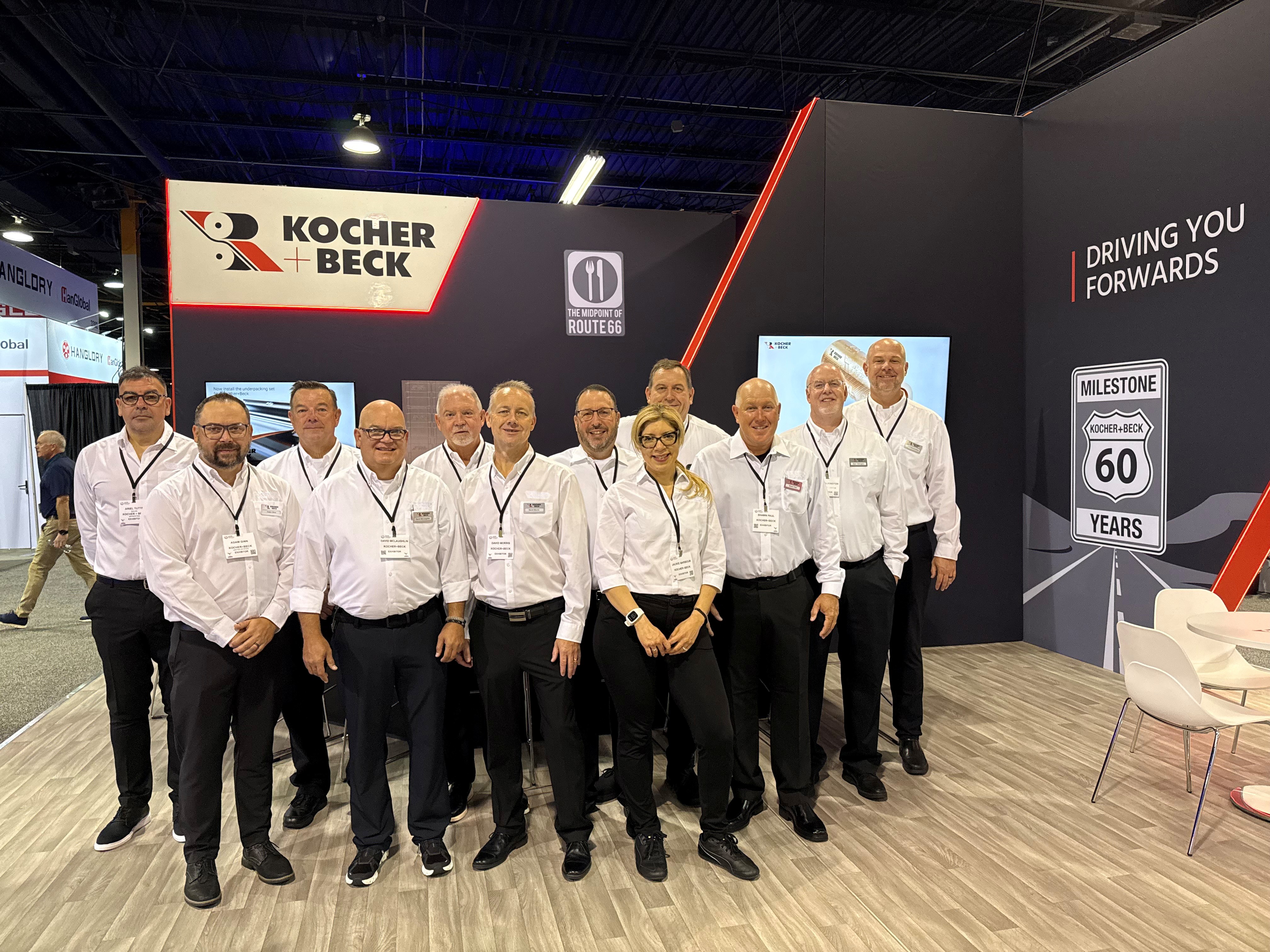
LOUPE USA 2026 Recap
Let us start with flexible dies.

LOUPE USA 2026
Let us start with flexible dies.